ITINERARY
Constantinople and the Byzantine Rock Churches of Cappadocia
In association with ETR, Lausanne, Switzerland
Thursday 12th March - Sunday 22nd March 2020
For further information and to reserve a place please contact Greg Godar: greg.godar@etrtours.com
Price: £3,650. (Single room supplement £812)
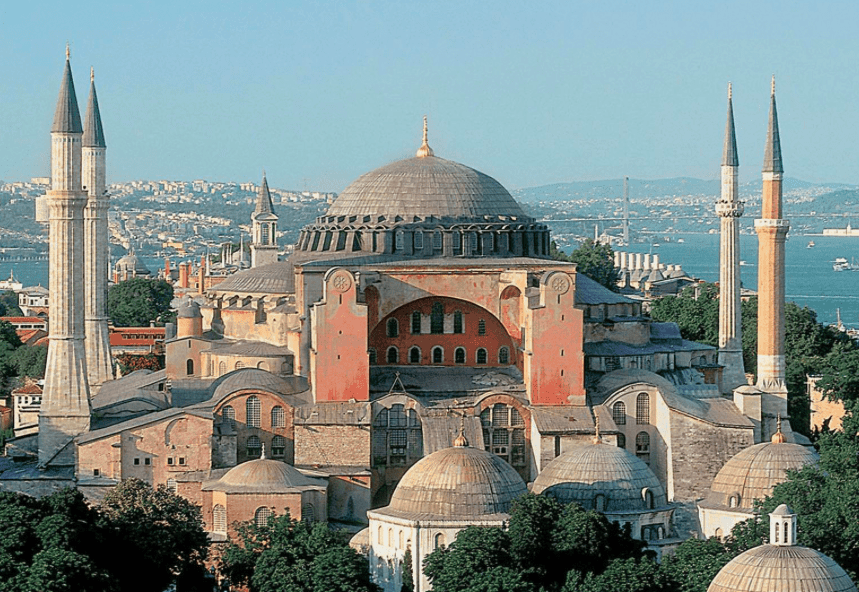
Hagia Sophia (537) and the Bosphorus.
day one
thursday 12th March
We fly direct from London Heathrow at 11.35 on Turkish Airlines and arrive in Istanbul at 18.20. On arrival we are met by Kent the etr programme leader and drive by coach to our hotel
Dinner at a tipik Türk restoranı. Overnight Istanbul.
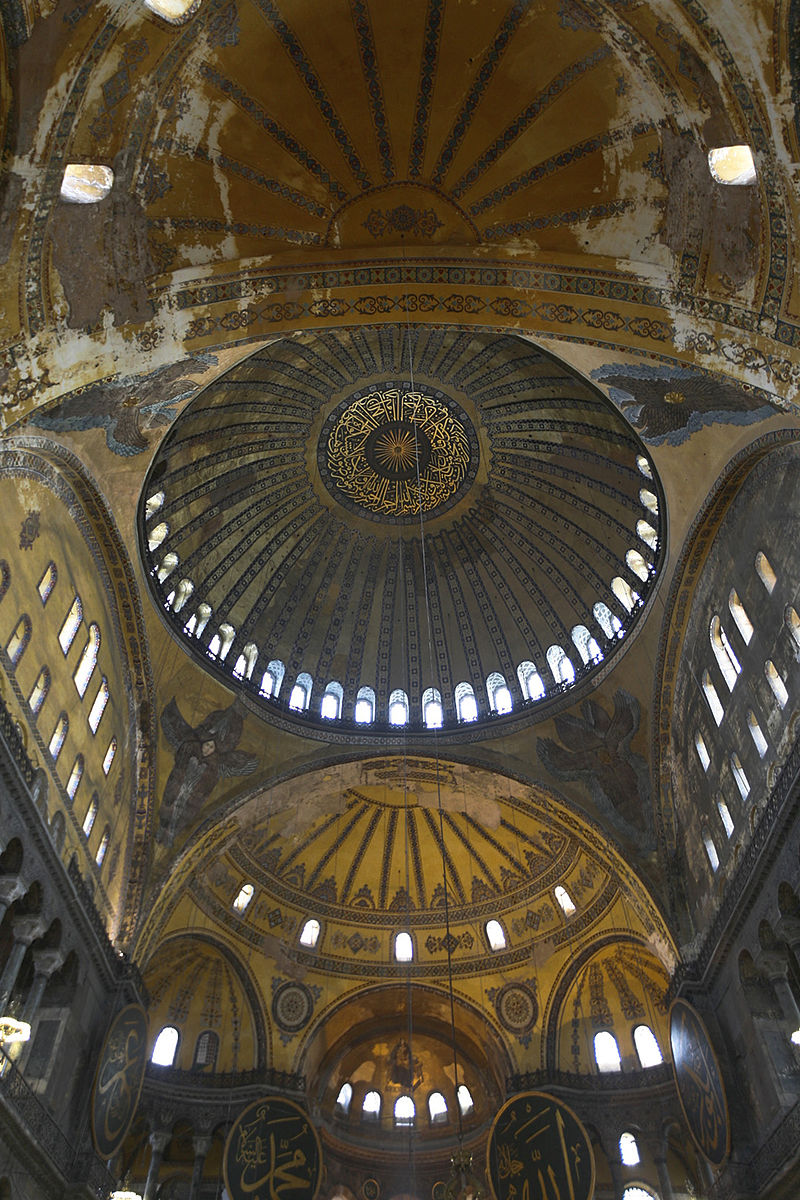
Hagia Sophia interior
day two
friday 13th March
We begin at Justinian’s great Church of Hagia Sophia built in 537. After the Fall of Constantinople in 1453 it became a mosque and, since 1934, a museum.
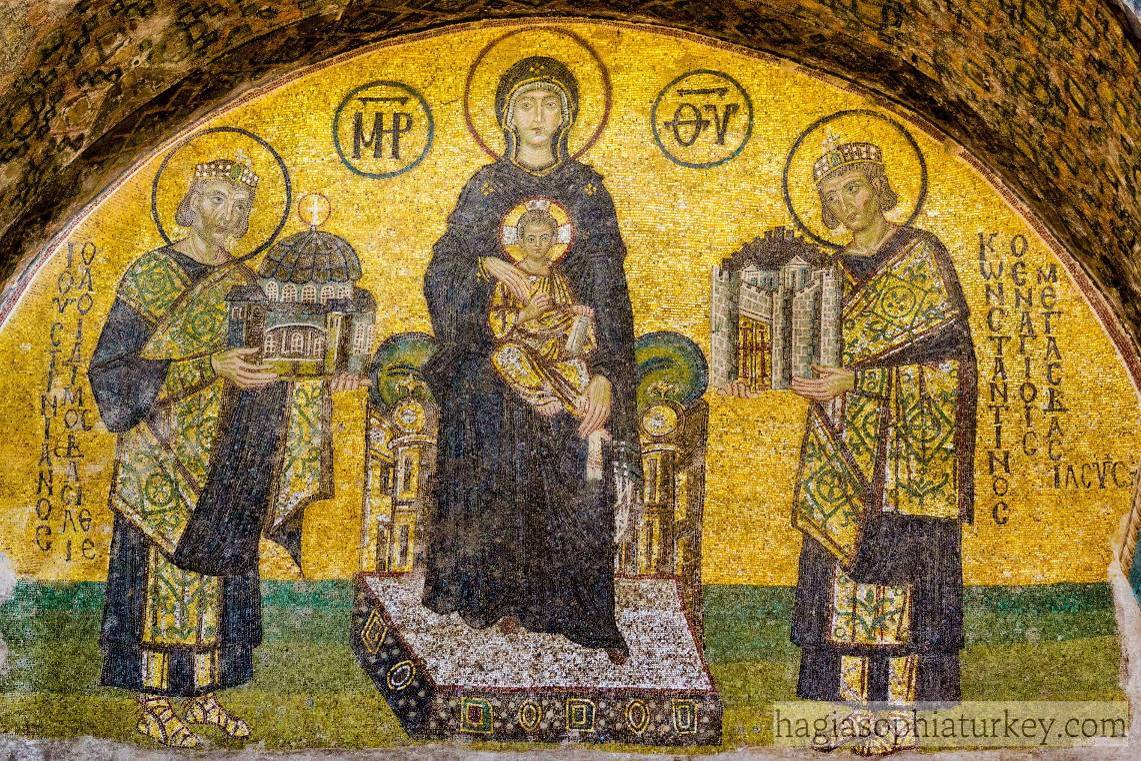
Hagia Sophia vestibule. The Mother of God and Child to whom the emperors Justinian and Constantine present the church and the city. Mosaic, 10th century.
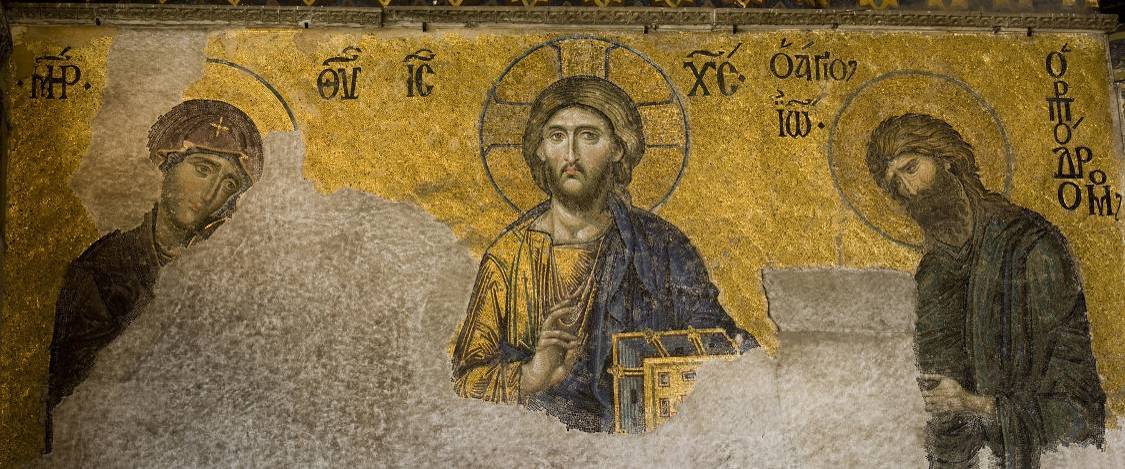
Hagia Sophia Deesis (Prayer or Intercession). The Mother of God and Saint John the Forerunner pray for humanity. 12th century monumental mosaic.
We then visit the mysterious and beautiful fourth century church of Hagia Eirene.
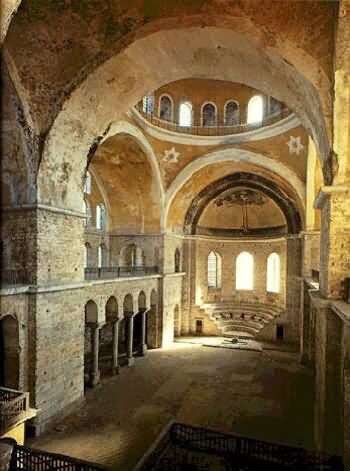
After lunch we visit the Archaeological Museum with its important classical and Christian antiquities. (The visit includes the Museum of the Ancient Orient and the Çinili Köşk, known today as the Museum of the Tiled Kiosk).
Dinner at a local restaurant. Overnight Istanbul.
day three
SATURDAY 14th march
We begin the day with Kariye Camii (the Church of St Saviour in Chora). Its mosaics and frescoes represent the supreme expression of the art of the Paleologue dynasty in the 14th century.
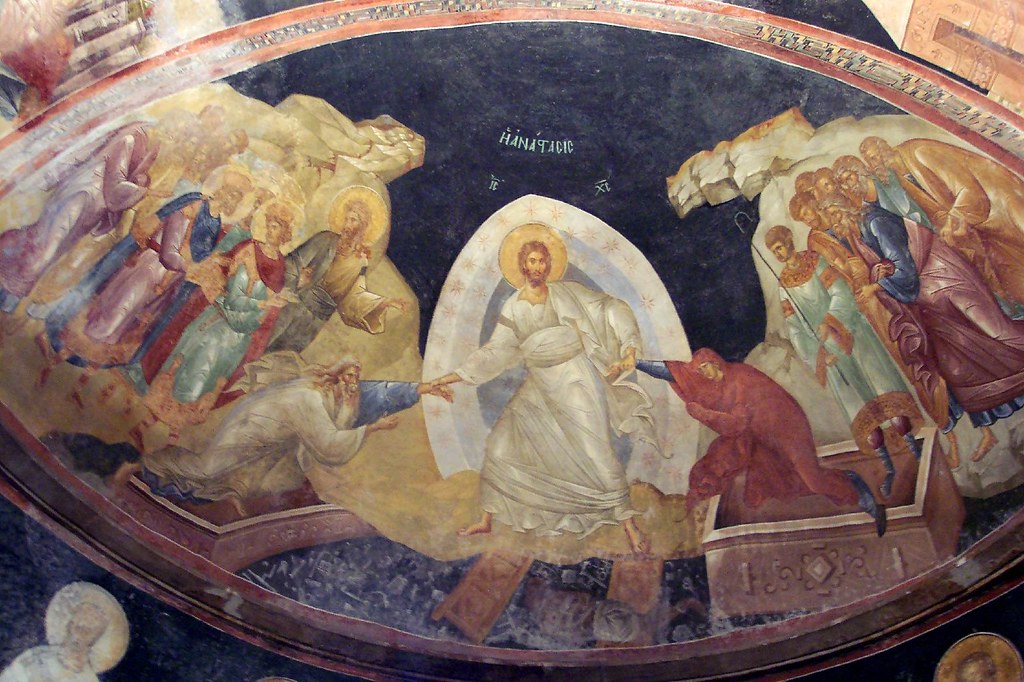
Kariye Camii, fresco, Anastasis, 14th century.
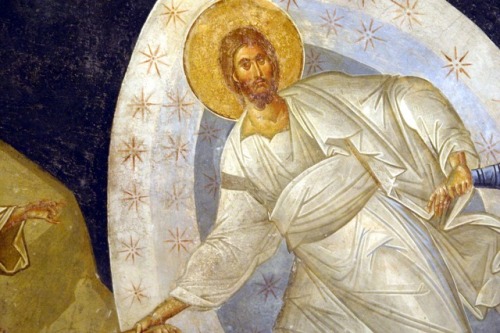
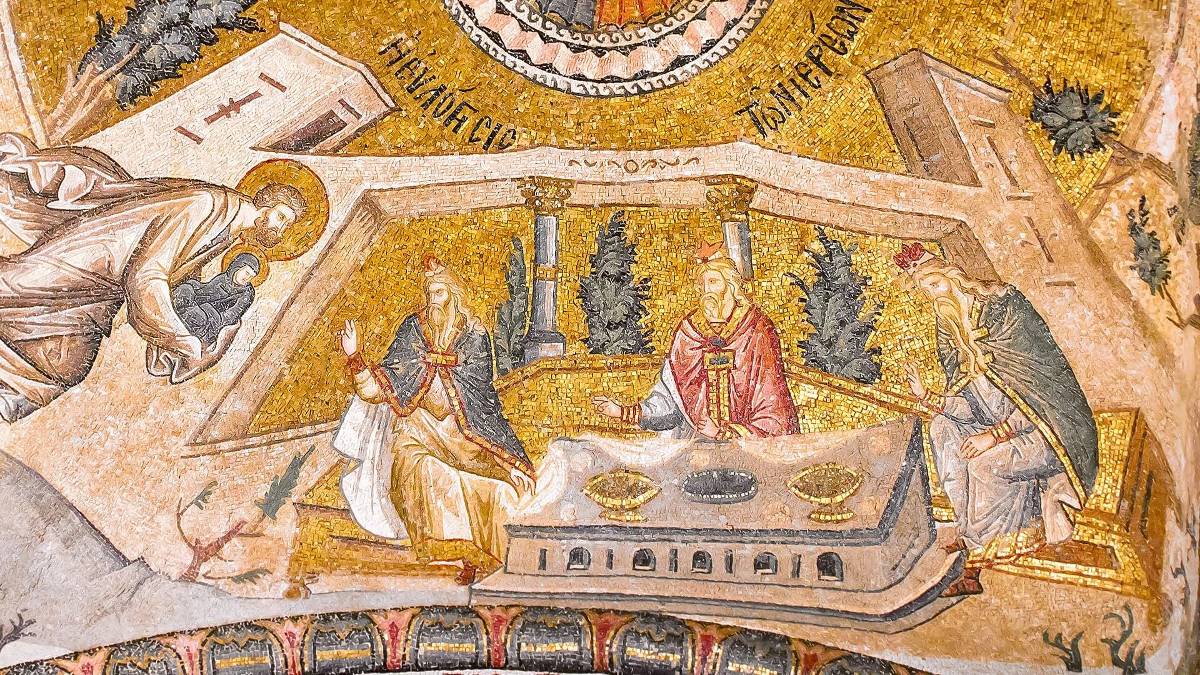
Kariye Camii mosaics, 14th century.
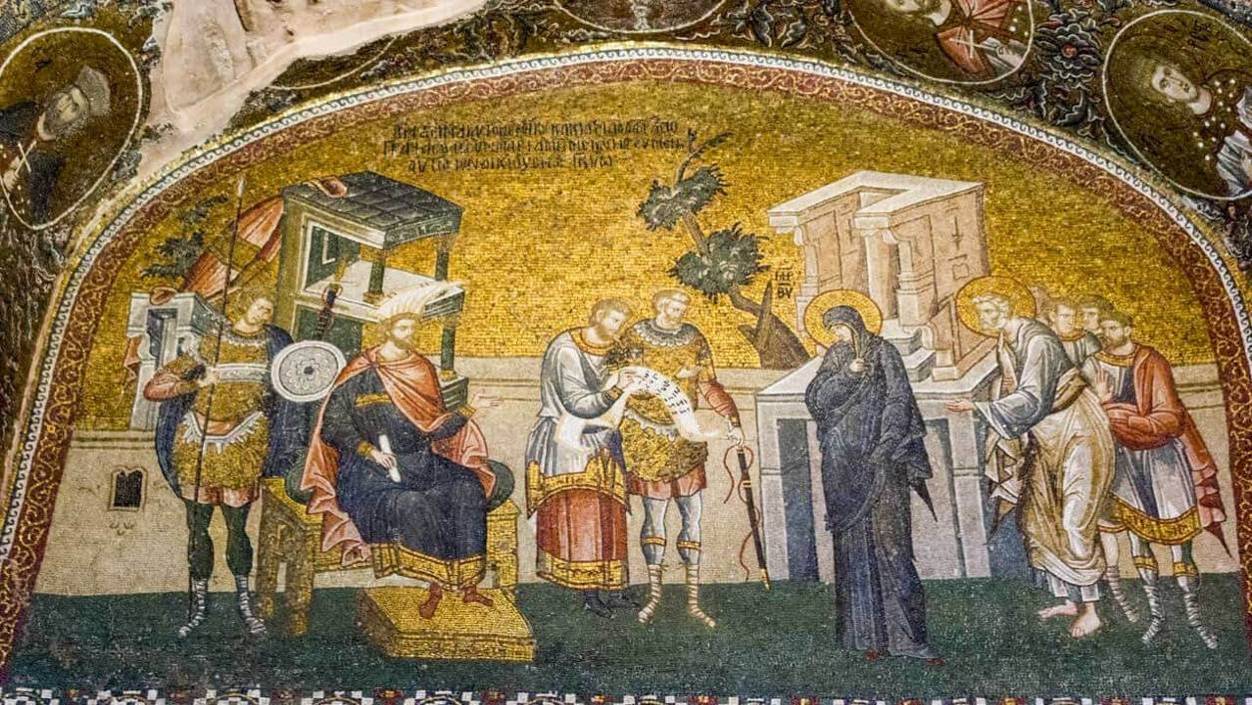
Then we visit the Fettiye Camii (Pammakaristos Church) with its equally important, though less complete, Paleologan mosaics.
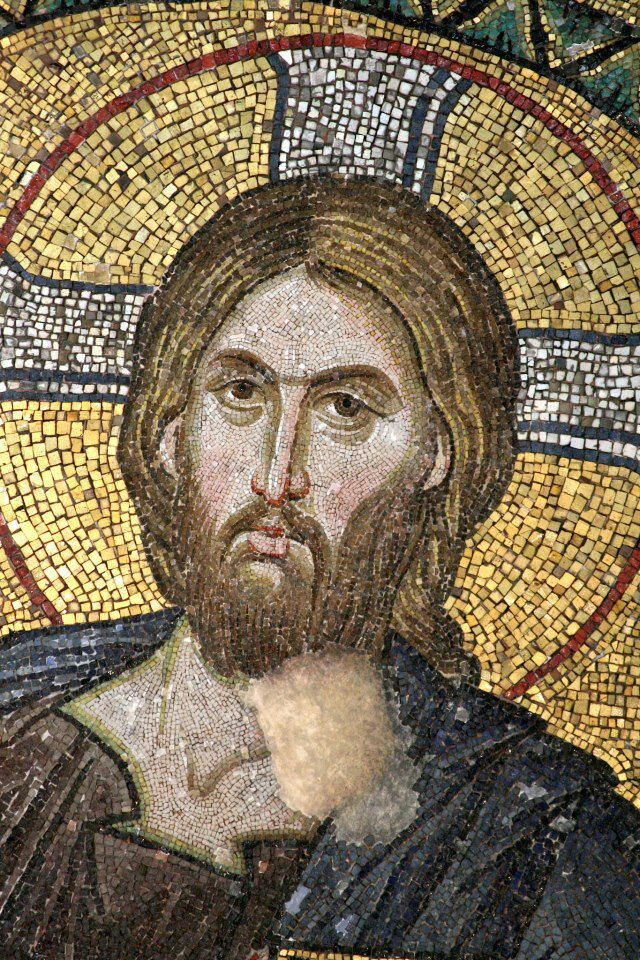
Fettiye Camii (Pammakaristos Church, Christ Pantocrator, 14th century. Mosaic.
After lunch a short coach trip takes us to Eyüp and views over the Golden Horn. Eyüp Sultan Camii, or Eyüp Sultan Mosque, was built in 1458. The Tomb of Eyüp (Job) is one of Islam’s holiest pilgrimage centres.
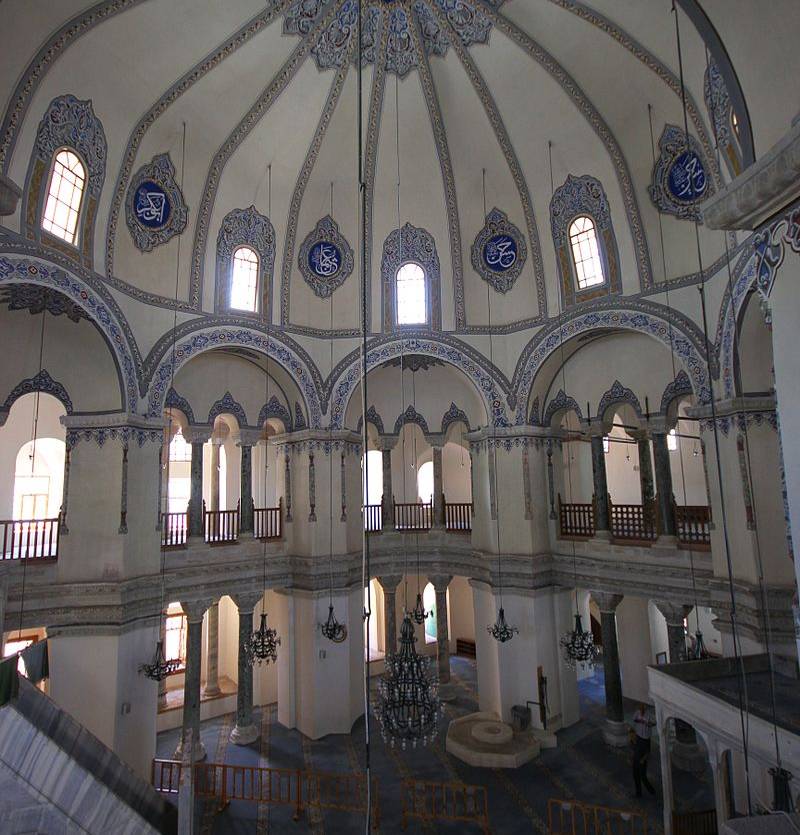
Then back to the city and the Saints Sergius and Bacchus Church (now a mosque) also known as Little Haghia Sophia (527). The building has two ambulatories, one above the other, circulating the central space relating it to Basilica of San Vitale (548) in Ravenna and the Palatine Chapel in Aachen (805). The continuous movement of columned arches, barrel vaults, apses and semi-domes gives the space a most pleasing, almost operatic, effect.
We end the afternoon at the Grand Bazaar, dating from the 16th century and said to be largest and oldest in the world.
Dinner at a local restaurant. Overnight Istanbul.
day four
sunday 15th march
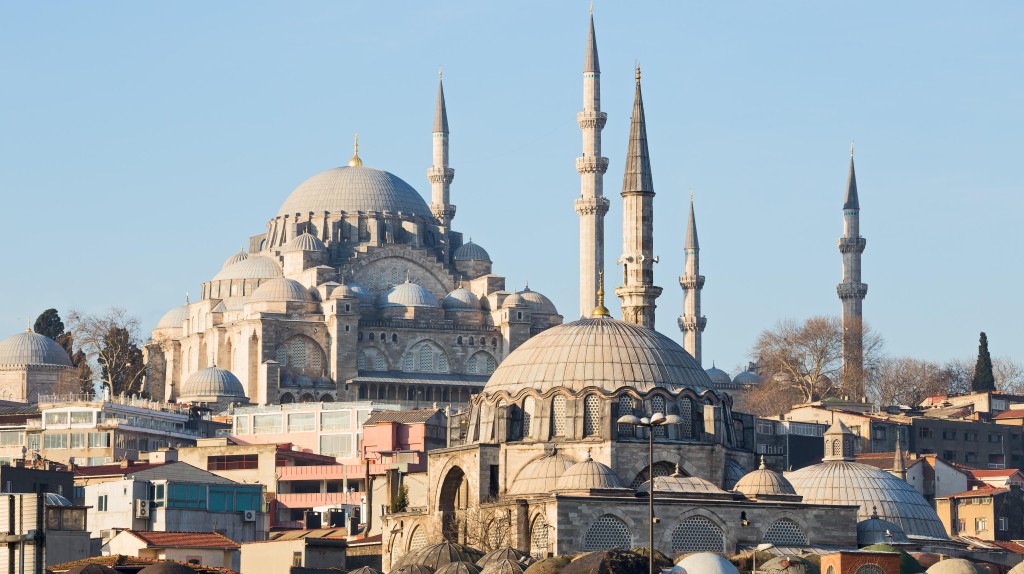
Two mosques designed by Sinan, the great imperial architect in the 16th century and one of the world’s great geniuses of architecture: Suleymaniye Mosque.
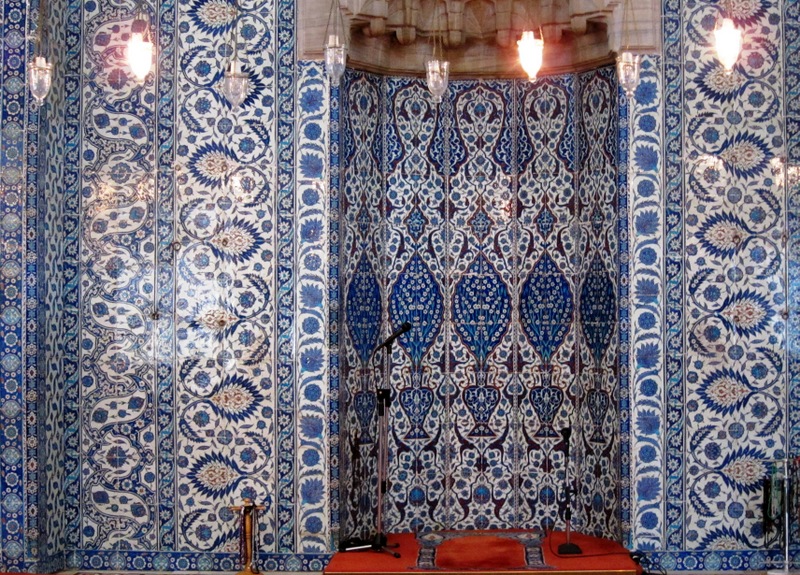
Rüstem Pasha Mosque with its beautiful Iznik tiles covering the entire walls.
Afternoon visit to the Patriarchal Church of St George, the current ‘home’ of the Ecumenical Patriarch of the Orthodox Church followed by a visit to the Galata Tekke to see the Sema of the Mevlevi Dervishes (‘The Whirling Dervishes’.)
Dinner at a local restaurant. Overnight Istanbul.
day five
monday 16th march
09:00 flight to Ankara and visit to Museum of Anatolian Cultures. Housed in two Ottoman buildings located near Ankara Castle, the Anatolian Civilizations Museum currently displays a unique collection of Paleolithic, Neolithic, Hatti, Hittite, Phrygian, Urartian, and Roman works.
Lunch and then to our hotel. Afternoon to be decided.
Overnight Ankara
day six
tuesday 17th march
Coach from Ankara to Konya (3.5 hours / 270 kilometres). The city of Konya (ancient Iconium) was visited by St. Paul and continued to thrive in the Byzantine era. The capital of the Seljuk Turks from the 12th to the 13th centuries, it ranks as one of the great cultural centres of Turkey. Rumi, the great Sufi poet (1207-1273), lived in Konya.
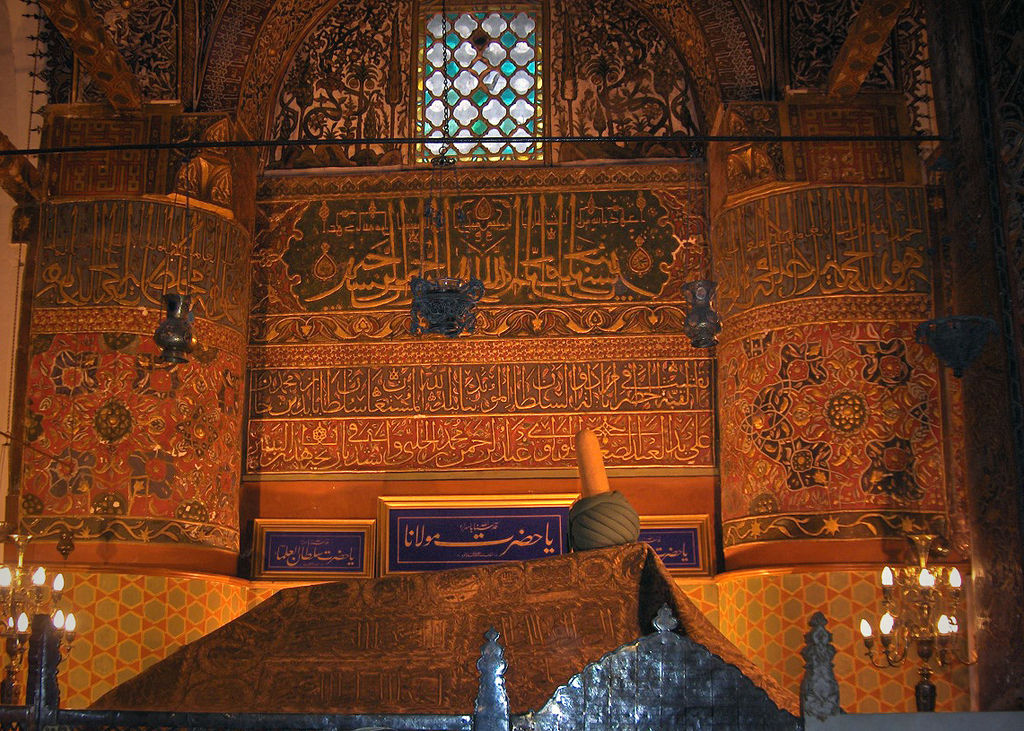
The Mevlâna Museum, the mausoleum of Jalal ad-Din Muhammad Rumi (1207-1273), the Persian Sufi mystic also known as Mevlâna or Rumi, founder of the Mevlevi dervishes.
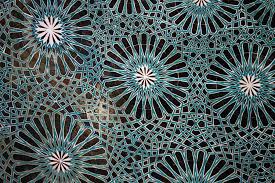
Karatay Medresesi Museum, former Seljuk mosque (1251) with wonderful tile decoration.
Overnight in Konya
day seven
wednesday 18th march
Konya to Aksaray by coach (4 hours / 260 kilometres). On the way we visit Binbir Kilise (note: Bring a jacket as this site is known to be very windy and cooler than down on the plain. You should be prepared for some muddy conditions). Lunch and continue 130 kilometres to the Sultan Hani Caravanserai, built by Seljuk Sultan Aladdin Keykubat I in 1229 and one of the best remaining examples of Anatolian Seljuk architecture. Then from Aksaray to Urgup (45 minutes / 120 kilometres).
Overnight in Urgup.
Cappadocia
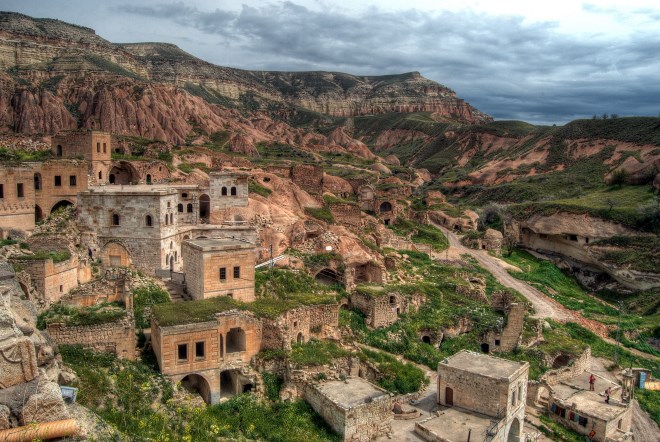
Saint Basil of Caesarea (Basil the Great), 330-379, had studied the spiritual practices of the desert fathers and the monasteries in Egypt and Syria before returning to his native Cappadocia. There he founded similar communities that thrived for a thousand years. Abandoned in the fifteenth century, they have in the last hundred years or so been revived by archaeology and more recently by tourism. The extraordinary landscape and the vivid memory of a lost culture provide poignant and rich impressions to the student of the origins of Christianity.
day eight
thursday 19th march
The Göreme Open Air Museum is a vast monastic complex composed of scores of refectory monasteries placed side-by-side, each with its own fantastic church. Most of the churches belong to the 10th, 11th and 12th centuries. The site has been on the UNESCO World Heritage List since 1984. One of the most prominent buildings in the area with its vivid colours is Elmali Kilise (or Apple Church) Christ, the Hospitality of Abraham and Three Hebrew Youths. Frescoes dating to the 11th and 12th centuries and where these have fallen off, you can see that underneath remain the simple red-painted ornamentation from the iconoclastic period (eighth century).
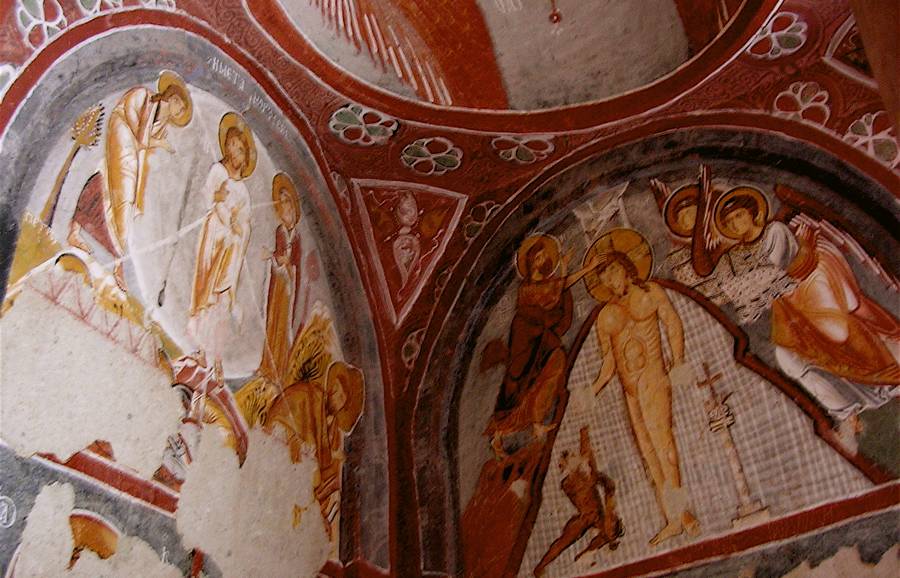
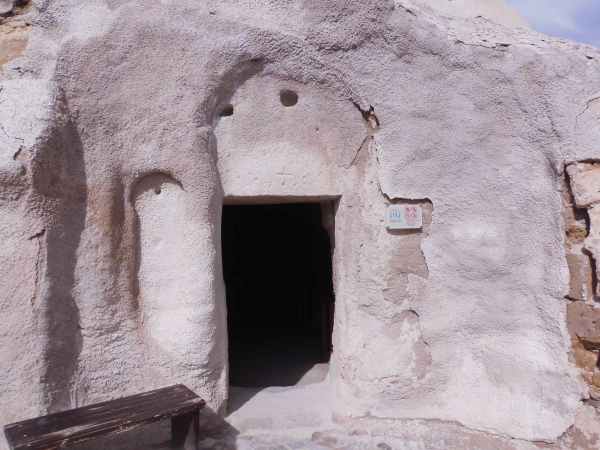
St. Barbara Church (11th century), Motifs were painted in red directly onto the rock, the colouring of which came from ochre. The walls and the dome are decorated in a variety of designs including geometrical patterns, mythological animals and military symbols. The walls are also painted to resemble stonework.
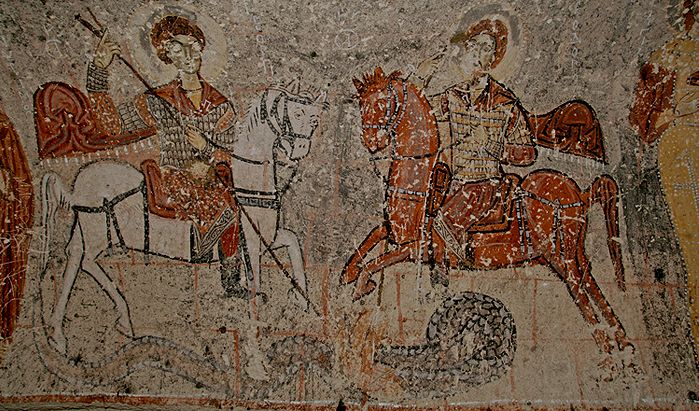
Yılanlı Kilise (the Snake Church) is a simple barrel-vaulted church with a low ceiling and long nave. It is named for the frescoes of Saints Theodore and St George slaying the dragon (or snake as depicted in the fresco). The frescoes date to the 11th century.
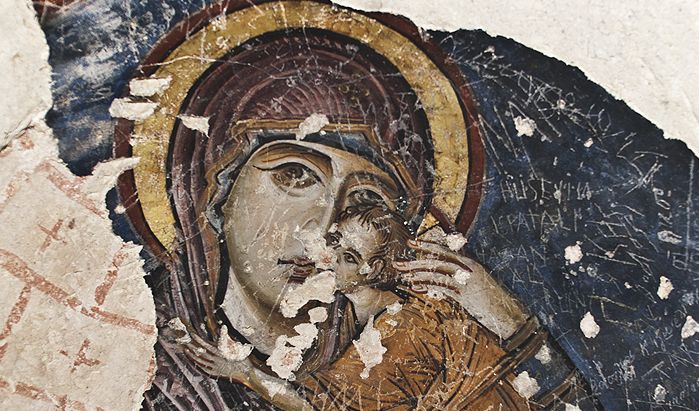
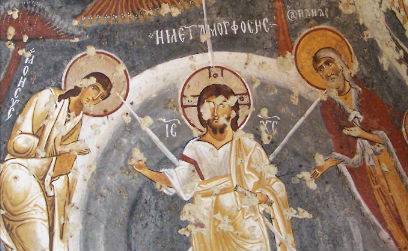
Çarıklı Kilise (the Church with Sandals) the name comes from the two footprints at the bottom of the Ascension fresco at the church's entrance (this fresco is said to be an exact copy of the one contained at the Church of the Ascension in Jerusalem).
Tokalı Kilise (Church of the Buckle). The largest church in Göreme. In the Old Church section, frescoes dated to early 10th century, painted in bands of rich red and green, represent scenes from the Bible. Among the rock churches in Cappadocia, Tokali has the most detailed paintings narrating the life of Christ
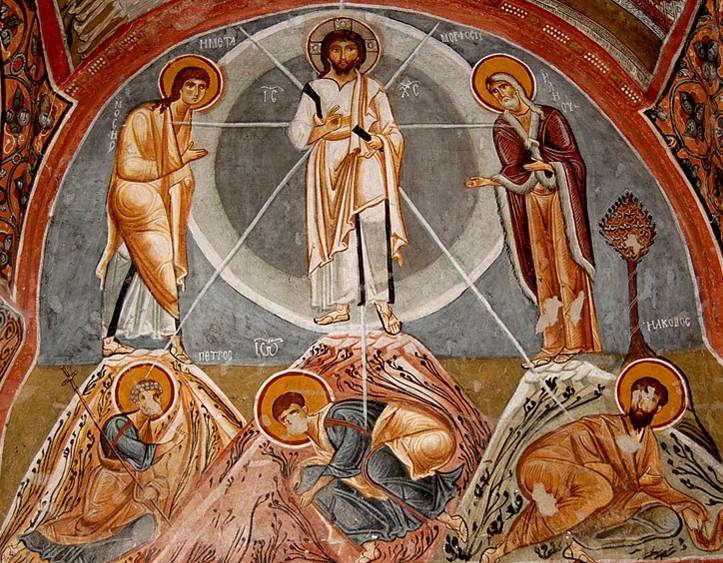
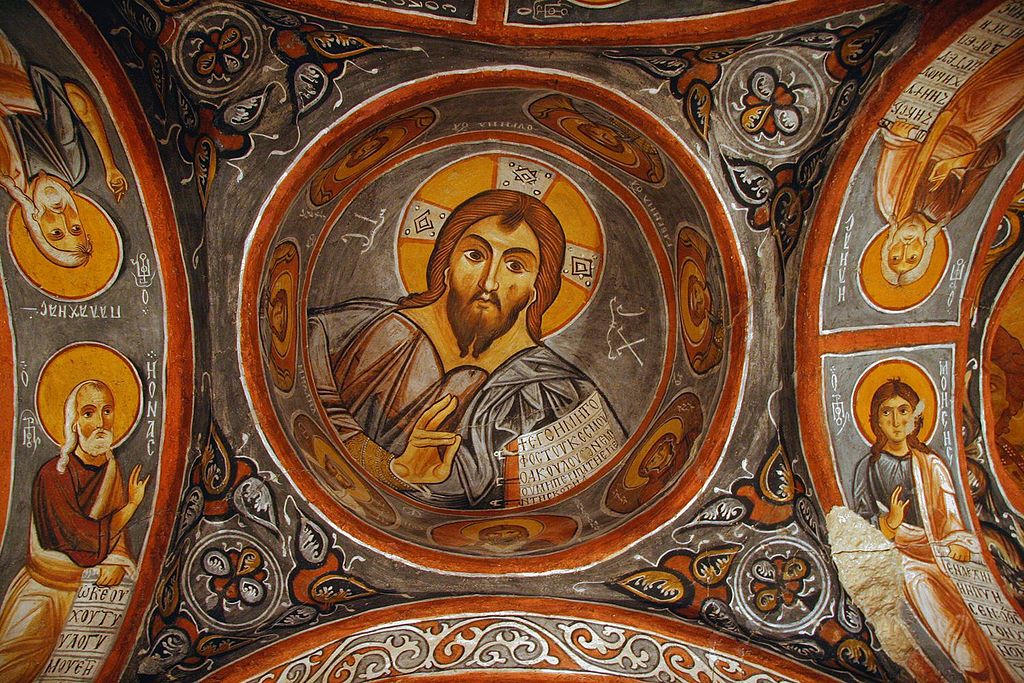
Karanlık Kilise (or the Dark Church) was a monastic compound built in the 11th century. After the Turkish conquest in 1453 it was used as a pigeon house until the 1950s. After 14 years of scraping pigeon droppings off the walls these newly restored frescoes, depicting scenes from the New Testament, are the best preserved in all of Cappadocia.
Overnight in Urgup
day nine
friday 20th march
To the Ihlara Canyon, a 16 kilometre long gorge cut into volcanic rock. During the 4th century this was a major religious centre for Christians who constructed numerous cave churches, chapels, and monasteries. One of the best-preserved chapels in the region is Sümbüllü Kilise (Hyacinth Church). It is thought to have been built between the 11th and 12th centuries and although being decorated with frescoes depicting Virgin Mary between Michael and Gabriel as well as the Annunciation, the chapel is also significant for its simple, but elegant, facade.
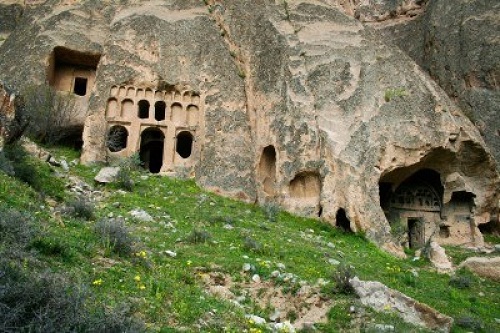
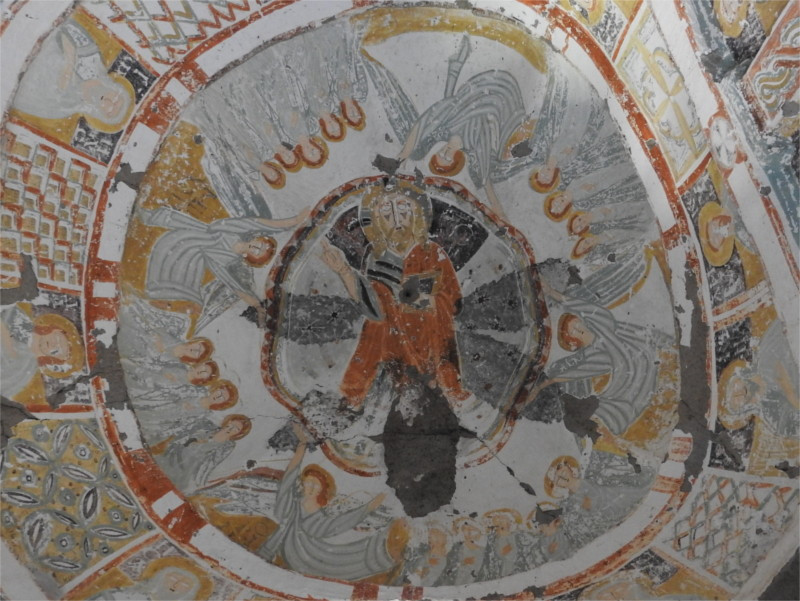
We then see Ağaçaltı Kilise (Church Under the Trees) which is found at the base of the stairs leading into the valley. Spectacular blue and white angels encircle the Christ figure in the well-preserved dome. There are frescoes illustrating the Apocalypse, Visitation, Nativity, Journey to Egypt, Baptism of Christ and Dormition of the Virgin.
Situated in the main quarter of the valley between Ihlara Village and first entrance we find the Kokar Kilise (Odorous Church), which celebrates biblical stories with colourful frescoes and ornate geometrical ceiling crosses. The frescoes, dated to the end of 9th century or second half of 11th, are richely detailed and represent the Last Supper, Crucifixion, Entombment, Ascension and Lives of the Apostles.
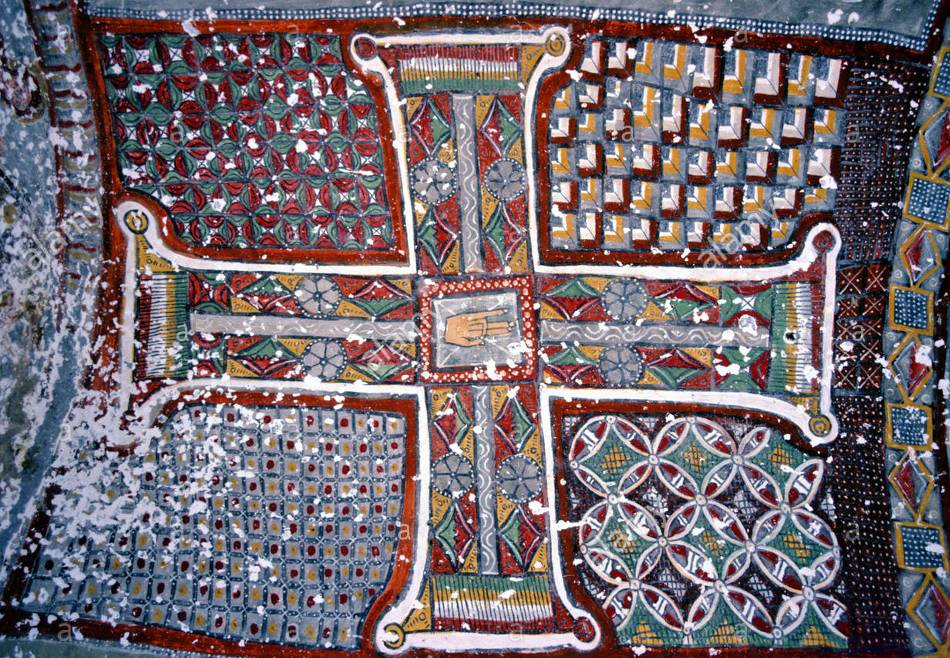
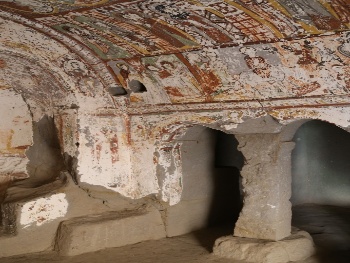
Pürenli Seki Kilisesi (Church with the Terrace) also located in the first quarter of the valley, is accessed by a climb of about 25m above the level of the river. It is composed of an entrance, a burial chamber and a double naos, separated by pillared arcades, each having an apse. The church is covered by frescoes classified as "archaic" characterised by exquisite details. Frescoes are dated between the beginning of 10th century and 12th century and illustrate various scenes from the infancy of Christ, Prophecy of the Prophets, the Virgin Mary and Bishops, Annunciation, Visitation and Adoration of the Shepherds.
We also visit Yilanli Kilise (Church with Snake, not to be confused with a church of the same name in the Göreme) and its frescoes of the Crucifixion and Entrance to Jerusalem.
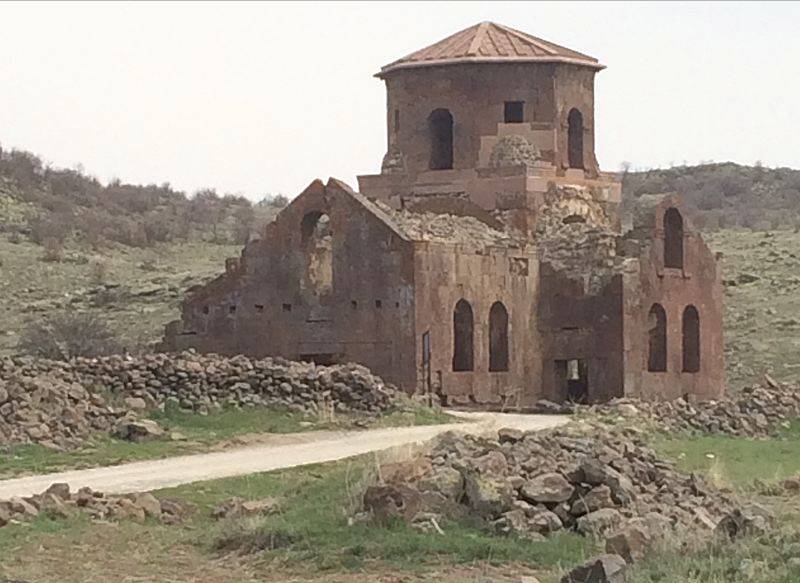
Lunch near Belisirma Village and then drive for about half an hour to Kızıl Church (Sivrihisar) dedicated to St Gregory of Nazianzus. The church takes its name from the red stone used to build it and is dated to 5th to 6th century, coinciding with the reign of the Byzantine Emperor Justinian I. The building is one of the oldest Christian shrines of the Cappadocia region and unlike other churches in the area which are carved from volcanic rock, Kizil Kilise’s structure employs traditional masonry building methods and demonstrates the high quality of artisanship in the area at that time. This site is noted as being a stop for pilgrims on their way to Jerusalem.
Overnight in Urgup
day ten
saturday 21st march
By coach to the Valley of the Swords and visit the Kılıclar Kilise (Church of the Swords), with exquisite frescoes that date from the tenth centuries.
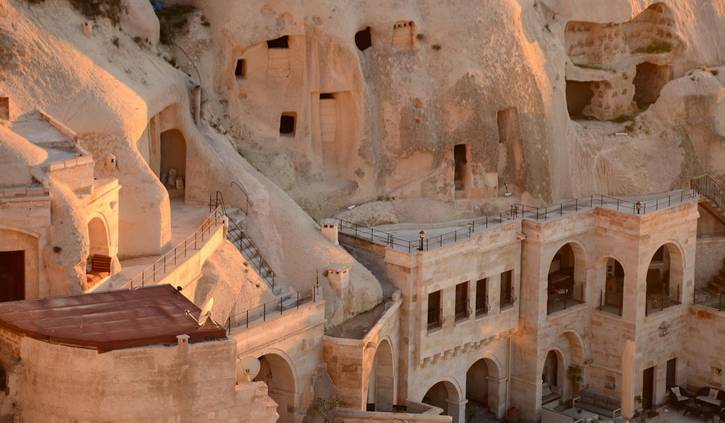
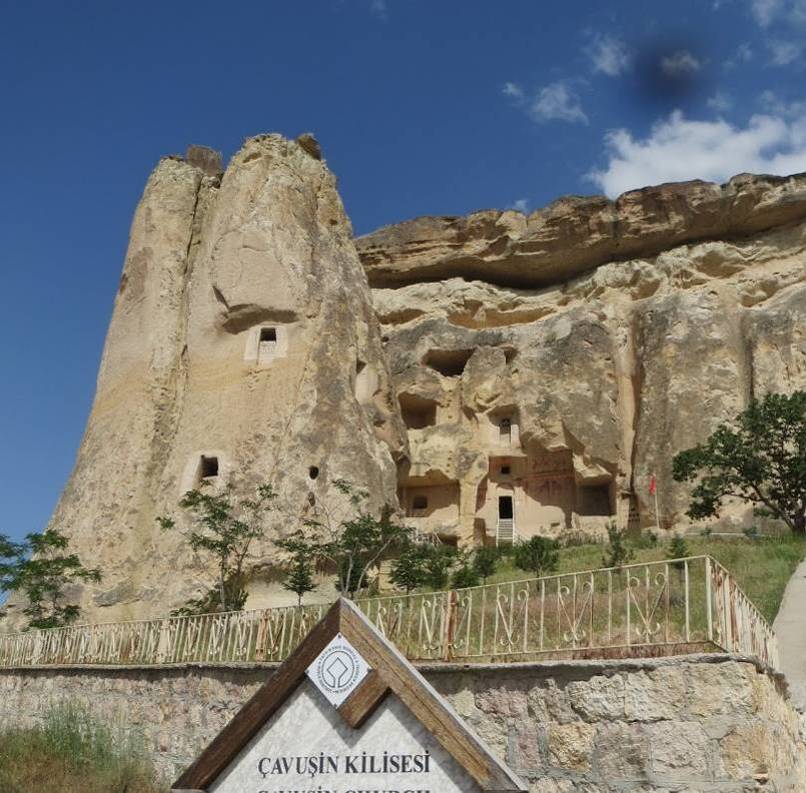
We then drive 2.5 kilometres from Goreme to the Cavusin’s old town to visit the Church of St. John the Baptist set on top of the hill. The church was built in the 5th century and is the biggest cave church of Cappadocia even though it was divided into three rooms in 10th century to prevent against the danger of collapse.
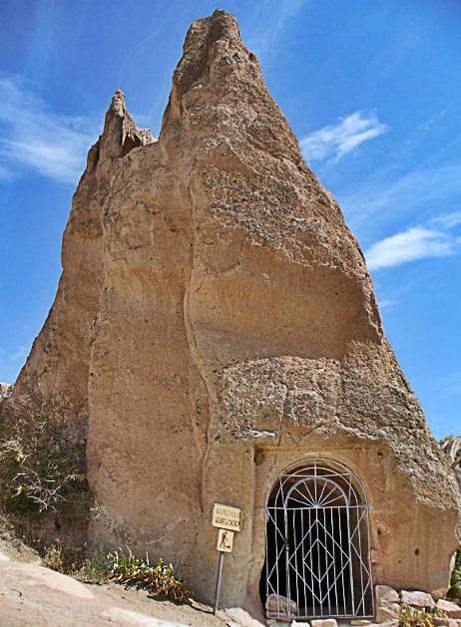
We continue on to Nicephorus Phocas Church, built around 964. Several scenes are painted in the church: On the vault are the Annunciation, Visitation, Proof of the Virgin, Flight into Egypt, Joseph's Dream, Blessing and Mission of the Apostles, Adoration of the Magi, Massacre of the Innocents, Pursuit of Elizabeth, Killing of Zacharias; on the west wall are Entry into Jerusalem, Raising of Lazarus, Healing of the Blind Man, Descent from the Cross, Myrrh-Bearing Women at the Tomb; on the wall of the apse the Transfiguration; on the north apse the Emperor Nicephorus Phocas and his family. He was a controversial character who revived the fortunes of the Byzantine Empire through military ventures. Successful in Crete, Cyprus and elsewhere he lost Sicily and overall the cost to taxpayers was high.
Rose Valley and Red Valley (between Goreme and Cavusin) also have cave churches decorated with frescoes, including the Üzümlü Kilise (also known as the Church of the Grape), which is located at the beginning of the Red Valley and is sometimes also called The Church of St. Nichitas due to the presence of an inscription of St. Nichitas in the dedication of the church. On the apse the Enthroned Mary holding the Child Jesus flanked by the Archangels Michael and Gabriel. On the north and south sides of the nave twelve apostles and doctor saints.
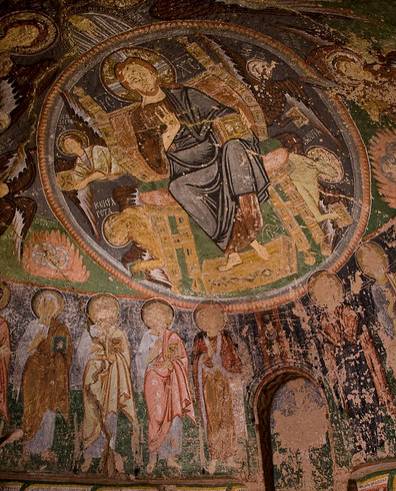
Hacli Kilise (Church with the Cross) is also located in the Red Valley, on top of a hill and has a wonderful view of the valley.
We then return to our hotel to relax and have some free time before dinner. Overnight in Urgup.
day eleven
sunday 22nd march
This morning we depart Urgup by coach for Erkilet International Airport (ASR) and then fly to Istanbul and on to London.
Flights:
TK 2013 ASR IST 15.45 17.35
TK 1983 IST LHR 19.50 21.10